Premarin: Comprehensive Hormone Therapy for Menopausal Symptom Relief
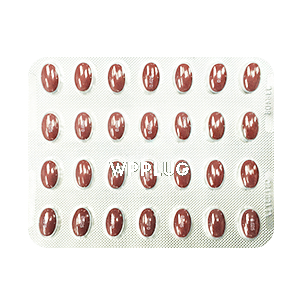
Premarin
| Product dosage: 0.625mg | |||
|---|---|---|---|
| Package (num) | Per pill | Price | Buy |
| 56 | $6.77 | $379.00 (0%) | 🛒 Add to cart |
| 84 | $6.45 | $568.50 $542.00 (5%) | 🛒 Add to cart |
| 112 | $6.29
Best per pill | $758.00 $705.00 (7%) | 🛒 Add to cart |
Synonyms | |||
Premarin is a prescription medication containing conjugated estrogens, derived from natural sources, specifically indicated for the management of moderate to severe vasomotor symptoms associated with menopause. It is also approved for the treatment of vulvar and vaginal atrophy, and in the prevention of postmenopausal osteoporosis. As an established hormone replacement therapy, Premarin works by supplementing estrogen levels that decline during menopause, helping to restore hormonal balance and alleviate disruptive symptoms that impact quality of life. It is available in multiple formulations, including oral tablets and topical creams, allowing for personalized treatment approaches under medical supervision.
Features
- Contains conjugated estrogens sourced from natural origins
- Available in oral tablet and topical vaginal cream formulations
- Multiple strength options for individualized dosing
- FDA-approved for vasomotor symptom management, vulvar and vaginal atrophy, and osteoporosis prevention
- Standardized hormone composition ensuring consistent dosing
- Some formulations include combination therapy with medroxyprogesterone acetate
Benefits
- Effectively reduces frequency and severity of hot flashes and night sweats
- Alleviates vaginal dryness, itching, and discomfort during intercourse
- Helps prevent bone loss and reduces fracture risk in postmenopausal women
- Improves overall quality of life by managing disruptive menopausal symptoms
- Provides flexible administration options to suit individual patient needs
- Supported by extensive clinical research and decades of therapeutic use
Common use
Premarin is primarily prescribed for women experiencing moderate to severe vasomotor symptoms (hot flashes, night sweats) during menopause. It is also commonly used to treat symptoms of vulvar and vaginal atrophy, including vaginal dryness, burning, itching, and painful intercourse. Additionally, healthcare providers may prescribe Premarin for the prevention of postmenopausal osteoporosis in women at significant risk of fractures, particularly when non-estrogen medications are not suitable. The medication may be used as part of combination hormone therapy in women with an intact uterus to provide endometrial protection.
Dosage and direction
Dosage varies significantly based on the condition being treated, formulation used, and individual patient factors. For moderate to severe vasomotor symptoms: 0.3 mg to 1.25 mg orally daily, cyclically or continuously. For vulvar and vaginal atrophy: 0.3 mg to 1.25 mg orally daily, or intravaginally as cream. For osteoporosis prevention: 0.3 mg orally daily. Treatment should be initiated at the lowest effective dose and for the shortest duration consistent with treatment goals. Patients with an intact uterus require concomitant progestin therapy to reduce endometrial cancer risk. Always follow the specific dosing instructions provided by the prescribing physician.
Precautions
Regular medical supervision is essential during Premarin therapy. Patients should undergo comprehensive health assessment before initiation and periodic reevaluation during treatment. Breast examinations and mammograms should be performed as recommended based on age and risk factors. Monitor for signs of blood clots, cardiovascular events, and neurological symptoms. Use caution in patients with conditions that might be influenced by fluid retention, such as asthma, epilepsy, migraine, or cardiac/renal dysfunction. Patients with a history of hypercalcemia or bone metastases should be closely monitored. Thyroid function may be affected; monitor thyroid parameters regularly.
Contraindications
Premarin is contraindicated in women with: known or suspected pregnancy; undiagnosed abnormal genital bleeding; known or suspected estrogen-dependent neoplasia; active or history of arterial thromboembolic disease; active or history of venous thromboembolism; known liver dysfunction or disease; known protein C, protein S, or antithrombin deficiency; known anaphylactic reaction or angioedema to Premarin; and known or suspected breast cancer.
Possible side effects
Common side effects may include headache, breast pain or tenderness, abdominal pain, bloating, nausea, vomiting, hair loss, fluid retention, and vaginal bleeding or spotting. More serious potential side effects include deep vein thrombosis, pulmonary embolism, stroke, myocardial infarction, breast cancer, endometrial cancer, gallbladder disease, dementia, severe allergic reactions, visual abnormalities, and elevated blood pressure. Patients should report any unusual symptoms promptly to their healthcare provider.
Drug interaction
Premarin may interact with numerous medications including: CYP450 inducers (rifampin, phenobarbital, carbamazepine) which may decrease estrogen effectiveness; thyroid replacement therapy requiring dosage adjustment; anticoagulants potentially altering anticoagulant effect; corticosteroids increasing risk of edema; and herbal supplements such as St. John’s wort. Always inform healthcare providers of all medications, including over-the-counter drugs and supplements, before starting Premarin therapy.
Missed dose
If a dose is missed, take it as soon as remembered unless it is almost time for the next dose. Do not double doses to make up for a missed dose. For once-daily dosing: if missed, take when remembered unless next dose is due within 12 hours. For twice-daily dosing: if missed, take when remembered unless next dose is due within 6 hours. Contact your healthcare provider if multiple doses are missed or if unsure about how to proceed.
Overdose
Estrogen overdose may cause nausea, vomiting, breast tenderness, abdominal pain, drowsiness, fatigue, and withdrawal bleeding. There is no specific antidote for estrogen overdose. Treatment should be symptomatic and supportive. Gastric lavage may be considered if ingestion was recent. Medical attention should be sought immediately if overdose is suspected.
Storage
Store at room temperature (20-25°C or 68-77°F) in the original container. Keep tightly closed and protect from light and moisture. Do not store in bathroom areas where moisture levels may be high. Keep out of reach of children and pets. Do not use beyond the expiration date printed on the packaging. Properly discard any unused medication after treatment completion.
Disclaimer
This information is for educational purposes only and does not constitute medical advice. Premarin is a prescription medication that should be used only under the supervision of a qualified healthcare provider. Individual results may vary. The benefits and risks of hormone therapy should be carefully discussed with a healthcare provider before initiation. Not all potential side effects, interactions, or precautions are listed here. Always follow the specific instructions provided by your prescribing physician.
Reviews
Clinical studies and patient reports indicate that Premarin effectively manages menopausal symptoms for many women, with significant improvement in vasomotor symptoms and vaginal health. Some patients report satisfactory symptom control with minimal side effects, while others may experience side effects that require dosage adjustment or discontinuation. Many healthcare providers consider Premarin a valuable option in menopausal management when appropriately prescribed to suitable candidates. Long-term satisfaction often depends on individual response, proper dosing, and regular medical monitoring.