Victoza: Advanced GLP-1 Therapy for Type 2 Diabetes Control
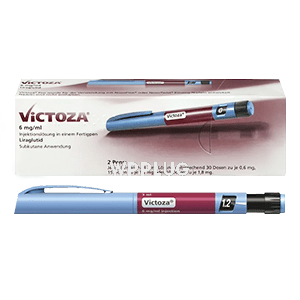
Victoza
| Product dosage: 6mg | |||
|---|---|---|---|
| Package (num) | Per injector | Price | Buy |
| 1 | $450.00 | $450.00 (0%) | 🛒 Add to cart |
| 2 | $425.00
Best per injector | $900.00 $850.00 (6%) | 🛒 Add to cart |
Synonyms | |||
Victoza (liraglutide) is a glucagon-like peptide-1 (GLP-1) receptor agonist indicated as an adjunct to diet and exercise to improve glycemic control in adults with type 2 diabetes mellitus. It is also approved to reduce the risk of major adverse cardiovascular events in adults with type 2 diabetes and established cardiovascular disease. This injectable prescription medication works by mimicking the functions of natural incretin hormones, stimulating insulin secretion in a glucose-dependent manner, suppressing glucagon release, slowing gastric emptying, and promoting satiety. Clinical evidence supports its efficacy in lowering HbA1c, supporting weight management, and offering cardiovascular risk reduction in indicated populations.
Features
- Active ingredient: Liraglutide 6 mg/mL
- Delivery: Prefilled, multi-dose pen injector (3 mL)
- Dosing: Once-daily subcutaneous injection, any time of day
- Concentration: 6 mg/mL (delivers doses of 0.6 mg, 1.2 mg, or 1.8 mg)
- Needle: 32G, 6mm (included or sold separately depending on pack)
- Storage: Refrigerate prior to first use; may be kept at room temperature after initiation for up to 30 days
Benefits
- Significantly reduces HbA1c levels through glucose-dependent insulin secretion
- Supports weight loss by promoting satiety and delaying gastric emptying
- Demonstrates cardiovascular risk reduction in patients with established cardiovascular disease
- Lowers fasting and postprandial glucose levels
- Once-daily dosing supports adherence and lifestyle flexibility
- Not associated with hypoglycemia when used without sulfonylureas or insulin
Common use
Victoza is commonly prescribed for adults with type 2 diabetes mellitus whose hyperglycemia is not adequately controlled with lifestyle modifications and other antihyperglycemic agents, such as metformin, sulfonylureas, or basal insulin. It is particularly beneficial for patients who would benefit from weight management or those with established cardiovascular disease seeking additional cardiovascular risk reduction. Clinical guidelines often position GLP-1 receptor agonists like Victoza as second-line therapy after metformin, especially when cardiovascular protection or weight loss are treatment priorities.
Dosage and direction
Initiate Victoza at 0.6 mg subcutaneously once daily for at least one week to reduce gastrointestinal symptoms. The dosage should be increased to 1.2 mg daily. If additional glycemic control is needed and the 1.2 mg dose is tolerated, the dose may be increased to 1.8 mg daily. Administer at any time of day, independent of meals, but preferably at the same time each day. Inject subcutaneously in the abdomen, thigh, or upper arm; rotate injection sites to prevent lipodystrophy. The pen must be primed before the first use. Do not mix Victoza with other medications.
Precautions
Monitor renal function periodically, as cases of acute kidney injury and worsening chronic renal failure have been reported, typically in association with nausea, vomiting, diarrhea, or dehydration. Use with caution in patients with renal impairment. Observe patients for signs and symptoms of pancreatitis (persistent severe abdominal pain sometimes radiating to the back, with or without vomiting). If pancreatitis is suspected, discontinue Victoza promptly. There have been post-marketing reports of allergic reactions, including anaphylaxis and angioedema; discontinue if suspected. Not recommended in patients with severe gastrointestinal disease, including gastroparesis. Use may be associated with increased heart rate; monitor regularly. Inform patients of the potential risk of medullary thyroid carcinoma and symptoms of thyroid tumors.
Contraindications
Victoza is contraindicated in patients with a personal or family history of medullary thyroid carcinoma (MTC) or in patients with Multiple Endocrine Neoplasia syndrome type 2 (MEN 2). Do not use in patients with a history of hypersensitivity to liraglutide or any product component. Avoid use in patients with severe renal impairment or end-stage renal disease. Not indicated for use in patients with type 1 diabetes mellitus or for the treatment of diabetic ketoacidosis.
Possible side effect
Common adverse reactions (≥5%) include nausea, diarrhea, vomiting, decreased appetite, dyspepsia, and constipation. Hypoglycemia is common when used with sulfonylureas or insulin. Other reported side effects include injection site reactions, fatigue, dizziness, abdominal pain, and increased lipase. Serious but less common side effects may include pancreatitis, allergic reactions, acute kidney injury, gallbladder disease, and increased heart rate. Patients should be advised to report persistent severe abdominal pain, palpitations, signs of dehydration, or allergic reactions promptly.
Drug interaction
The effect of Victoza to delay gastric emptying may impact the absorption of concomitantly administered oral medications. Use with caution with drugs requiring rapid gastrointestinal absorption or having a narrow therapeutic index (e.g., antibiotics, warfarin). Monitor INR more frequently when initiating or adjusting Victoza in patients on warfarin. When used with insulin secretagogues (e.g., sulfonylureas) or insulin, the risk of hypoglycemia increases; consider reducing the dose of the secretagogue or insulin. No clinically significant interactions have been observed with metformin, digoxin, atorvastatin, griseofulvin, or oral contraceptives in studies.
Missed dose
If a dose of Victoza is missed, it should be administered as soon as possible on the same day. However, if the missed dose is not remembered until the next day, the missed dose should be skipped and the next scheduled dose administered at the regular time. Do not administer two doses on the same day to make up for a missed dose. Maintaining a consistent daily schedule is recommended for optimal glycemic control.
Overdose
Overdose with Victoza would be expected to result in severe nausea, vomiting, and hypoglycemia. In clinical trials, doses up to 10 times the maximum recommended dose of 1.8 mg/day have been administered and were associated with gastrointestinal disturbances and decreased blood glucose. In the event of overdose, appropriate supportive treatment should be initiated according to the patient’s clinical signs and symptoms. Blood glucose should be monitored, and carbohydrate intake may be necessary to manage hypoglycemia. Due to the prolonged action of liraglutide (half-life approximately 13 hours), close monitoring and supportive care may be required for an extended period. Hemodialysis is unlikely to be effective due to high protein binding.
Storage
Before first use, store Victoza pens refrigerated at 2°C to 8°C (36°F to 46°F). Do not freeze; discard if frozen. Protect from light. After first use, store in use or stored at room temperature below 30°C (86°F) or refrigerated. The pen in use should be discarded 30 days after first use, even if some solution remains. Always remove and discard the needle after each injection; do not store the pen with the needle attached. Keep out of reach of children and pets.
Disclaimer
This information is intended for educational purposes and does not replace professional medical advice, diagnosis, or treatment. Always seek the advice of your physician or other qualified health provider with any questions you may have regarding a medical condition or medication. Never disregard professional medical advice or delay in seeking it because of something you have read here. Individual patient responses to medication may vary, and only a healthcare professional can determine the appropriate therapy based on a patient’s specific medical history and current condition.
Reviews
Clinical trials and real-world evidence consistently demonstrate Victoza’s efficacy in glycemic control, weight management, and cardiovascular risk reduction. The LEAD (Liraglutide Effect and Action in Diabetes) trial program showed significant HbA1c reductions of 1.0% to 1.5% and weight loss of 2-3 kg versus placebo. The landmark LEADER trial demonstrated a 13% reduction in the risk of major adverse cardiovascular events (MACE) in high-risk patients with type 2 diabetes over 3.8 years. Many endocrinologists report positive patient experiences with improved time-in-range and quality of life, though gastrointestinal side effects during titration remain a consideration. Long-term registry data supports sustained efficacy and safety profiles consistent with clinical trials.